
Corporate offices in Malaysia are adopting smart glass to cut HVAC and lighting loads, improve thermal comfort smart glass Malaysia, and enable privacy-on-demand for meetings and focused work. Reported HVAC reductions range 10–30% with lighting cuts up to 40% at perimeters, supporting lower demand charges and smaller system sizing. Employers cite productivity gains linked to increased daylight and reduced glare, plus faster room turnaround and retrofit flexibility. Integration with building controls and lifecycle cost models drives procurement choices — continue for implementation details and metrics.
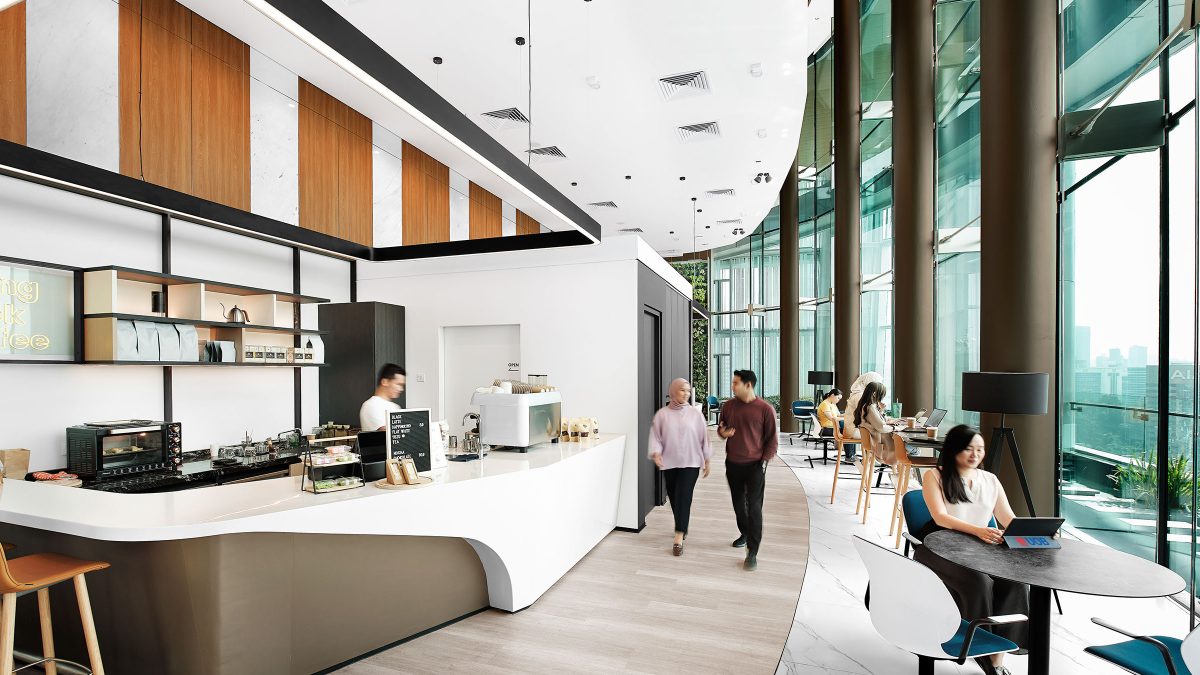
Why Malaysian Corporations Are Choosing Smart Glass
In response to rising energy costs and stricter sustainability mandates, Malaysian corporations are adopting smart glass to reduce HVAC and lighting consumption by up to 30% while improving occupant comfort and privacy control. Decision-makers cite measurable ROI, lower operational expenditure Chiefway smart glass, and compliance with green building benchmarks. Data links reduced glare and thermal gains to higher employee engagement and fewer sick days. Marketing teams report improved brand image through visible sustainability commitments. Vendors provide performance metrics and retrofit pathways, enabling freedom to scale deployments. Stakeholders prioritize transparent reporting, cost-benefit timelines, and options that preserve workspace flexibility and user autonomy.
Practical Applications in Meeting Rooms and Workspaces
Following documented energy savings and improved occupant metrics, Malaysian firms are applying smart glass specifically to meeting rooms and open-plan workspaces to capture both operational and human benefits. Organizations report measurable improvements in confidentiality control, visual privacy on demand, and daylight access aligned with task needs. Smart glass enables acoustic zoning when combined with sound-absorbing panels, clarifying meeting boundaries without permanent walls. Dynamic partitions created with switchable glazing and modular frames support rapid reconfiguration for team autonomy, reducing downtime between bookings. Stakeholders cite faster room turnover, clearer space allocation metrics, and enhanced employee satisfaction as primary drivers for broader rollout.
Energy Savings and Sustainability Impacts
Smart glass installations in Malaysian corporate offices can reduce HVAC energy use by modulating solar heat gain, with empirical studies reporting cooling load reductions of 10–30% depending on facade orientation and glazing control strategy. Concurrently, dynamic tinting and integrated daylight harvesting lower artificial lighting demand, often cutting lighting energy consumption by 20–40% during peak daylight hours. Stakeholders evaluating total cost of ownership should quantify these savings against incremental capital and control-system costs to determine payback and lifecycle carbon reductions.
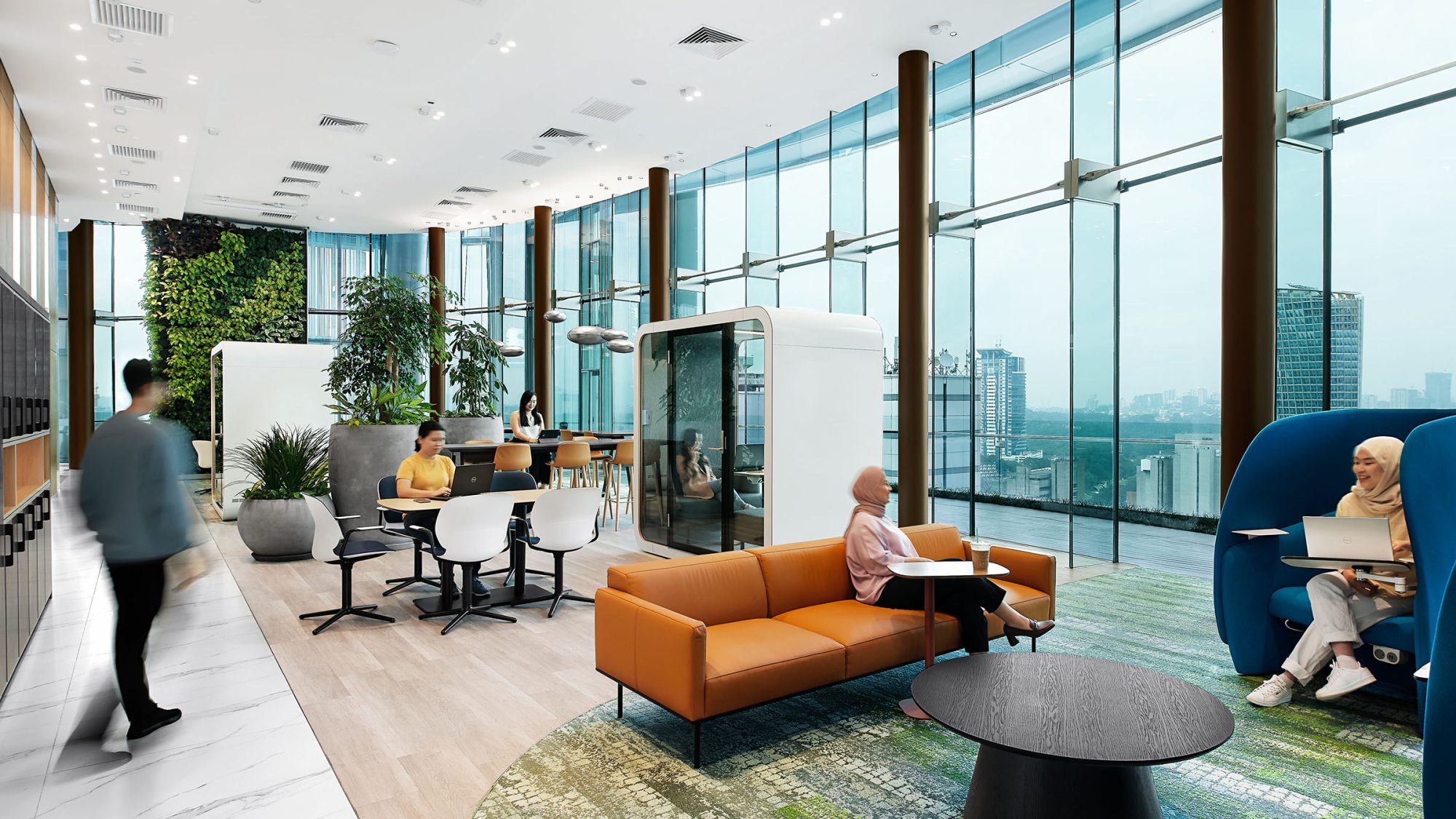
Reduced HVAC Energy Use
Reducing HVAC energy consumption through electrochromic glazing yields measurable gains in Malaysian corporate offices: studies indicate dynamic tinting can lower cooling loads by 10–25% depending on orientation and glazing-to-wall ratio, translating to annual HVAC energy savings of roughly 5–15 kWh/m² in typical open-plan floors. Stakeholders report HVAC optimization and peak shaving as primary operational benefits, enabling smaller mechanical capacity and lower demand charges. Quantified outcomes support investment cases and carbon targets.
- Reduced peak cooling demand enabling peak shaving and tariff savings.
- Smaller HVAC sizing, lowering capital expenditure.
- Predictable energy reductions for sustainability reporting.
Lower Lighting Demand
Across Malaysian corporate offices, electrochromic glazing reduces reliance on artificial lighting by modulating daylight admission to maintain target illuminance levels, with studies reporting average lighting energy savings of 20–40% in perimeter zones and peak reductions up to 60% during bright midday hours. Facilities managers report measurable benefits from integrated daylight harvesting controls that dim electric fixtures in response to transmitted solar gain. Occupant-focused metrics show improved visual comfort via glare reduction, reducing complaints and task interruptions. Capital planners value predictable paybacks from lower energy use and maintenance. Policy-makers and tenants gain flexibility to prioritize sustainability while preserving occupant autonomy and productivity.
Employee Wellbeing, Privacy, and Productivity Benefits
Smart glass adoption in Malaysian corporate offices is linked to measurable improvements in employee thermal comfort, with adaptive glazing reducing peak indoor temperatures by up to 3–5°C according to recent case studies. The technology also enables privacy on demand through switchable opacity, lowering visual distractions and supporting confidential meetings without structural changes. Increased access to natural light has been associated with 10–15% gains in reported productivity and reduced absenteeism, making smart glass a stakeholder-prioritized investment for wellbeing and performance.
Enhanced Thermal Comfort
By regulating solar heat gain and glare through dynamic tinting, smart glass contributes directly to a narrower indoor temperature range and more stable thermal zones, which studies link to lower reported discomfort and fewer HVAC interventions. It enables precise thermal zoning and radiant control, reducing localized overheating and cooling conflicts. Stakeholders gain predictable energy profiles and improved occupant comfort metrics. Quantified benefits support rollout decisions and flexible workspace design.
- Reduced HVAC cycling leading to measurable energy savings.
- Consistent occupant comfort scores across zones.
- Faster response to external heat load with automated control.
Adoption supports autonomy, performance, and operational efficiency.
Privacy On Demand
For organizations seeking to balance openness with individual needs, privacy-on-demand glazing offers controllable visual isolation that reduces interruptions and supports focused work without requiring permanent structural changes. Evidence shows privacy switching reduces perceived distractions by measurable margins, raising task completion rates and lowering stress indicators among knowledge workers. Stakeholders—facilities, HR, and employees—gain flexibility: configurable confidential zones enable ad hoc meetings, secure conversations, and concentrated solo work while preserving an open-plan ethos. Cost-benefit analyses indicate faster ROI through productivity gains and reduced reconfiguration expense. Implementation recommendations emphasize user control, clear policies, and measurable KPIs to validate effectiveness.
Natural Light Boost
Daylight access via glass partitions and dimmable switchable glazing measurably improves employee wellbeing and performance: studies link increased natural light exposure to 18–20% reductions in absenteeism, 15% faster task completion, and significant decreases in self-reported eyestrain and stress. Smart glass enables daylight harvesting and coordinated circadian lighting, balancing autonomy and collective needs. Stakeholders gain measurable ROI through productivity and reduced sick leave.
- Enables targeted daylight harvesting to reduce energy and boost alertness.
- Supports circadian lighting strategies that improve sleep quality and focus.
- Preserves privacy while maximizing view and daylight access, enhancing freedom and retention.
Implementation Challenges and Cost Considerations
Amid rising interest in adaptive glazing, Malaysian corporations face implementation challenges and cost considerations that directly affect project viability and return on investment. Stakeholders evaluate installation logistics—phasing, vendor certification, disruption to operations—and quantify capital expenditure versus energy savings. Procurement teams request lifecycle cost models incorporating component replacement and maintenance budgeting, warranty terms, and local service availability. Risk assessments factor regulatory compliance, acoustic/privacy trade-offs, and retrofitting complexity in older buildings. Financing options, tax incentives, and payback timelines influence adoption rates. Decisions prioritize measurable benefits: occupant comfort metrics, utility reductions, and flexible contracts that preserve organizational autonomy and control over workspace transformation.
Future Trends and Integration With Smart Building Systems
While integration complexity remains a barrier, smart glass is rapidly shifting from a standalone comfort feature to a connected building asset that contributes measurable operational value. Stakeholders prioritize open protocols, IoT orchestration, and data interoperability to align glazing controls with HVAC, lighting, and access systems. Forecasts show energy and productivity gains when policies drive automated tinting and occupancy-linked schedules. Predictive maintenance reduces downtime through sensor analytics and lifecycle alerts, lowering total cost of ownership. Adoption hinges on flexible contracting, scalable APIs, and vendor-neutral platforms that preserve tenant autonomy and enable incremental upgrades without vendor lock-in.
- Energy optimization via coordinated control
- Maintenance cost reduction through analytics
- Vendor-neutral integration pathways
Conclusion
Malaysian corporations adopting smart glass realize measurable gains across productivity, energy efficiency, and employee wellbeing. Data indicate reduced HVAC and lighting loads, improved privacy management, and enhanced meeting-room utilization. Stakeholders—facilities managers, HR, sustainability officers, and investors—benefit from quantifiable ROI despite up-front costs and integration hurdles. Strategic deployment, paired with smart-building platforms and phased financing, positions smart glass as a scalable, future-ready asset supporting operational resilience and ESG objectives.